📞  — free, 24/7
 — free, 24/7| Package | Price per Dose | Price | |
|---|---|---|---|
| 360 pills | €0,56 | €223,63 €201,27 Free shipping | |
| 180 pills | €0,70 | €139,55 €125,60 | |
| 120 pills | €0,77 | €102,56 €92,30 | |
| 90 pills | €0,86 | €85,74 €77,17 | |
| 60 pills | €0,89 | €58,84 €52,95 | |
| 30 pills | €0,95 | €31,93 €28,74 | |
| 360 pills | €0,70 | €279,12 €251,21 Free shipping | |
| 180 pills | €0,91 | €181,59 €163,43 | |
| 120 pills | €1,03 | €137,87 €124,08 | |
| 90 pills | €1,18 | €117,69 €105,92 | |
| 60 pills | €1,21 | €80,70 €72,63 | |
| 30 pills | €1,35 | €45,38 €40,85 | |
| 360 pills | €1,59 | €635,61 €572,05 Free shipping | |
| 270 pills | €1,62 | €485,95 €437,35 Free shipping | |
| 180 pills | €1,66 | €332,93 €299,64 Free shipping | |
| 120 pills | €1,71 | €228,67 €205,81 Free shipping | |
| 90 pills | €1,74 | €174,86 €157,38 | |
| 60 pills | €1,83 | €122,74 €110,46 | |
| 30 pills | €1,95 | €65,56 €59,01 |
Should I take Indomethacin for back pain?
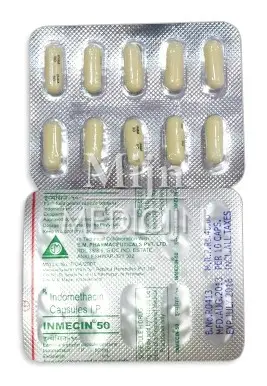
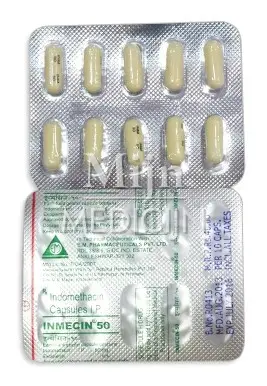
Indomethacin is a nonsteroidal anti-inflammatory drug (NSAID) that reduces inflammation and pain by blocking prostaglandin synthesis. It is used to relieve acute pain and swelling in conditions such as rheumatoid arthritis, osteoarthritis, and gout. Like other NSAIDs, it can help ease fever and discomfort, but it comes with potential risks that require a clinician’s oversight.
In its common oral form, indomethacin is prescribed for short periods. A clinician weighs the benefits against the risk of stomach upset, kidney stress, and cardiovascular effects. Always follow the prescribed dose and discuss any history of ulcers, kidney disease, or heart problems before starting treatment.
Indomethacin provides relief from moderate to severe pain caused by inflammation. It helps reduce swelling, stiffness, and tenderness in rheumatoid arthritis, osteoarthritis, and ankylosing spondylitis. It is also effective for acute gout flares, bursitis, and tendinitis.
Short courses may be used to manage pain after surgery or dental procedures, where inflammation is part of the problem. Doctors may prescribe it for other inflammatory conditions under careful supervision. The goal is to lower pain while limiting exposure to side effects common to NSAIDs.
Contraindications are important. Do not use indomethacin if you have had an allergic reaction to indomethacin or other NSAIDs, including aspirin sensitivity with nasal polyps or asthma. Do not use if you have active or suspected GI ulcers or bleeding, or if you have significant kidney or liver disease. It should not be used in the third trimester of pregnancy due to risks to the fetus, and it is typically avoided during breastfeeding unless advised by a clinician.
Precautions apply to most patients. Long-term or high-dose use increases the risk of stomach ulcers, bleeding, and perforation, especially in older adults or those with a history of ulcers. Indomethacin can affect kidney function and raise blood pressure, so people with kidney disease, heart failure, or treated hypertension should be monitored closely. Liver enzymes can rise with use, and rare allergic reactions can be severe. If you are pregnant or planning pregnancy, talk to a clinician before use; avoid use in late pregnancy. Always tell your clinician about chronic diseases and all medicines you take to minimize risk.
Very common (more than 1 in 10 people) include stomach upset, heartburn, nausea, and sometimes dizziness or headache. These symptoms often lessen with food or as the regimen settles in.
Common effects (roughly 1 in 100 to 1 in 10 people) include diarrhea, constipation, flatulence, mild skin rash, and sometimes ringing in the ears or sweating. If these persist or worsen, discuss adjustments with your clinician.
Less common or rare effects may involve more significant GI irritation, ulcers, or bleeding; changes in kidney function; elevated liver enzymes; or dizziness and visual changes. Seek medical attention for persistent abdominal pain, black or tarry stools, swelling, shortness of breath, or unusual skin or eye yellowing.
Indomethacin can interact with several medicines and supplements. It may increase the risk of bleeding when taken with anticoagulants (for example, warfarin) or antiplatelet drugs. Using indomethacin with other NSAIDs or with aspirin raises the chance of stomach ulcers and kidney problems. Corticosteroids can amplify GI side effects, and selective serotonin reuptake inhibitors (SSRIs) or SNRIs may also raise bleeding risk. Caution is warranted with diuretics and ACE inhibitors or ARBs, as NSAIDs can reduce their effectiveness and impair kidney function.
Other notable interactions include lithium and methotrexate, which can be affected by NSAID use. Always inform your clinician about all prescription and over‑the‑counter medicines, vitamins, and herbal products before starting indomethacin. If you are scheduled for surgery or dental work, your clinician may advise stopping NSAIDs beforehand. Limit alcohol and monitor for signs of stomach distress or fluid retention during therapy.
14–21 days. Free from €182,34 .
5–9 days. €27,35
−10% when paying with cryptocurrency.
−10% on all repeat orders.
All orders are packed in neutral, unbranded boxes with no product name on the outside.