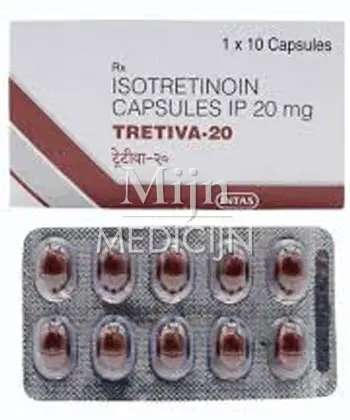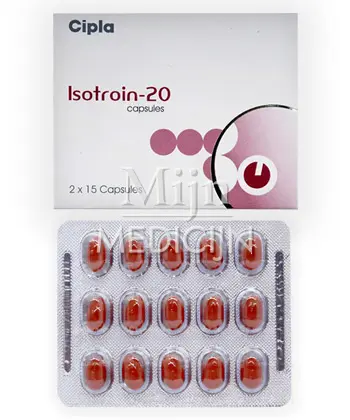
📞  — free, 24/7
 — free, 24/7| Package | Price per Dose | Price | |
|---|---|---|---|
| 180 pills | €1,74 | €348,06 €313,26 Free shipping | |
| 120 pills | €1,97 | €262,30 €236,07 Free shipping | |
| 90 pills | €2,16 | €216,90 €195,21 Free shipping | |
| 60 pills | €2,09 | €139,55 €125,60 | |
| 30 pills | €2,53 | €84,06 €75,65 | |
| 180 pills | €2,09 | €417,01 €375,31 Free shipping | |
| 120 pills | €2,15 | €285,85 €257,26 Free shipping | |
| 90 pills | €2,22 | €221,95 €199,75 Free shipping | |
| 60 pills | €2,32 | €154,69 €139,22 | |
| 30 pills | €2,77 | €92,47 €83,22 | |
| 180 pills | €2,77 | €553,21 €497,89 Free shipping | |
| 120 pills | €2,92 | €390,10 €351,09 Free shipping | |
| 90 pills | €3,06 | €306,02 €275,42 Free shipping | |
| 60 pills | €3,13 | €208,49 €187,65 Free shipping | |
| 30 pills | €3,68 | €122,74 €110,46 | |
| 180 pills | €3,53 | €704,55 €634,09 Free shipping | |
| 120 pills | €3,68 | €490,99 €441,89 Free shipping | |
| 90 pills | €3,83 | €383,38 €345,04 Free shipping | |
| 60 pills | €4,16 | €277,44 €249,69 Free shipping | |
| 30 pills | €4,65 | €154,69 €139,22 |
Severe nodular and inflammatory acne, especially nodulocystic lesions that scar and impair quality of life, is a condition frequently refractory to standard therapies. Isotretinoin is a systemic retinoid used to achieve long-term remission in such cases by diminishing sebum production and normalizing follicular keratinization. It is a vitamin A–derived compound administered orally and requires careful prescriber oversight due to teratogenicity and potential systemic adverse effects.
Isotretinoin is a lipophilic retinoid with high penetrance into pilosebaceous units. It is reserved for patients with severe, recalcitrant acne or acne with significant risk of scarring, who have failed conventional topical regimens and at least one course of systemic antibiotics. The medication is supplied in oral capsule form and is used under close clinical supervision because of its potential for serious adverse effects, including teratogenicity, hepatotoxicity, and lipid abnormalities.
Therapeutic response is typically assessed over months, with dosing guided by physiological tolerance and cumulative exposure. A successful course may result in durable remission after cessation, although relapse can occur and retreatment decisions are individualized. Baseline assessment and ongoing monitoring for pregnancy potential, liver function, and lipid status are integral to safe use.
Primary indications center on severe nodulocystic acne with extensive inflammatory lesions and scarring where conventional regimens have failed or are contraindicated. Isotretinoin is indicated in adolescents and adults who experience persistent, disabling acne that compromises psychosocial well-being or quality of life, and in whom isotretinoin’s risk–benefit profile favors treatment. In such patients, isotretinoin is often considered after optimization of topical and systemic therapies and adherence to appropriate safety programs.
Secondary or less common indications include maintenance of remission in select cases of severe acne that has recurred after prior treatment. Off-label use may be considered in refractory hidradenitis suppurativa or certain keratinization disorders under specialist supervision, although evidence for these applications varies and should be weighed against known risks. Pediatric use is guided by weight-based dosing and careful interval monitoring, with attention to growth, bone maturation, and psychosocial factors.
Across indications, therapy is individualized to balance disease control with safety considerations, employing the lowest effective dose to achieve cumulative exposure associated with durable improvement while minimizing adverse events. Pregnancy risk considerations substantially influence treatment planning and require structured risk mitigation strategies where applicable.
Isotretinoin is a vitamin A–derivative that exerts multiple coordinated effects on the skin. It binds to retinoic acid receptors and retinoid nuclear coregulatory proteins, altering gene expression in sebaceous glands and epidermal keratinocytes. This leads to marked reduction in sebaceous gland size and sebum production, which diminishes the nutrient source for Propionibacterium acnes and decreases inflammatory follicular rupture. It also normalizes follicular keratinization, reducing comedo formation and follicular plugging, and modulates inflammatory mediators within acne lesions. Collectively, these actions decrease lesion formation, soften existing inflammation, and may reduce scar progression over time.
Secondary benefits are observed in epidermal turnover and glandular function, contributing to improvements that persist beyond the active treatment period in many patients. The pharmacodynamic profile underpins the need for careful duration and dosing strategies to maximize efficacy while preserving safety.
Oral isotretinoin is absorbed variably but bioavailability increases with concomitant dietary fat. It undergoes extensive hepatic metabolism to active and inactive metabolites, including 4-oxo-isotretinoin, with downstream clearance largely via hepatic routes. The elimination half-life is variable and influenced by metabolic factors and coexisting conditions. Absorption and exposure are influenced by meal composition, making dosing practical adjustments important in routine practice.
Administration is typically daily, with dose regimens tailored to body weight and treatment goals. Lipid monitoring and liver function testing are recommended before and during therapy, given potential hepatotoxicity and dyslipidemia. Because isotretinoin is highly teratogenic, strict contraception and pregnancy testing protocols are implemented where applicable, and combination with certain medications (eg, tetracyclines) is avoided due to safety concerns.
Teratogenic risk is the most critical safety concern; pregnancy must be avoided during treatment and for a defined period after completion in all individuals capable of pregnancy, with appropriate counseling and monitoring. Hepatotoxicity and hyperlipidemia are monitored by baseline and serial laboratory testing; elevations may necessitate dose modification or cessation. Common mucocutaneous effects include cheilitis, xerosis of the skin and mucous membranes, epistaxis, and photosensitivity, usually amenable to supportive care.
Other potential adverse effects include transient alopecia, nail changes, musculoskeletal discomfort, and mild elevations in liver enzymes. Less frequent but serious risks involve mood alterations, depression or suicidality, inflammatory bowel disease, pseudotumor cerebri, and rare bone or soft-tissue complications with long-term use. Drug interactions should be managed carefully; concurrent use with retinoid or vitamin A supplementation should be avoided to minimize hypervitaminosis A. Regular clinical review, patient education, and adherence to safety guidelines are essential to optimize outcomes and minimize risk.
14–21 days. Free from €182,34 .
5–9 days. €27,35
−10% when paying with cryptocurrency.
−10% on all repeat orders.
All orders are packed in neutral, unbranded boxes with no product name on the outside.