📞  — free, 24/7
 — free, 24/7Medicated and lubricating eye drops for dry, irritated or allergic eyes, redness relief, and infection or post-surgical care. Includes artificial tears, antihistamine drops, antibiotic and steroid formulations, plus prescription treatments for glaucoma and other ocular conditions.
Medicated and lubricating eye drops for dry, irritated or allergic eyes, redness relief, and infection or post-surgical care. Includes artificial tears, antihistamine drops, antibiotic and steroid formulations, plus prescription treatments for glaucoma and other ocular conditions.
Eye drops are liquid medications formulated for application to the surface of the eye or the inner eyelid. They deliver active ingredients directly where they are needed and come in a range of formulations, from watery solutions to thicker gels or suspensions. Some preparations are intended for short-term use, such as after an injury or surgical procedure, while others are designed for ongoing management of chronic conditions. Packaging varies from multiuse bottles to single-dose vials and applicator kits that help with accurate placement of the drop on the eye.
Common reasons people use eye drops include lowering intraocular pressure in glaucoma, treating or preventing infections, reducing inflammation, easing allergic symptoms, or preparing the eye for clinical examination. Antibacterial and antibiotic-steroid combination drops are commonly used for eye infections and postoperative care, while prostaglandin analogues and beta-blockers are frequently prescribed for glaucoma management. Some products are also aimed at cosmetic or hair-related effects around the eyelid margin and are closely regulated for their specific indications.
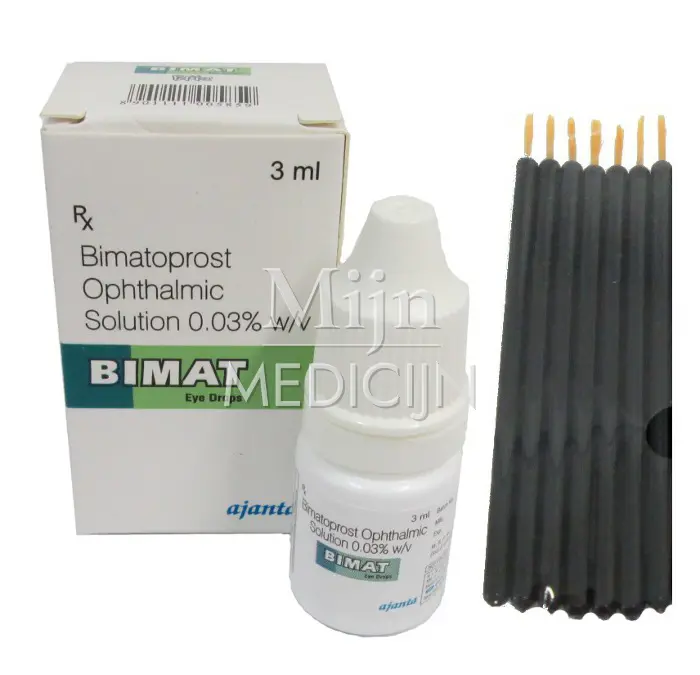
The category covers several types of medications: prostaglandin analogues (widely used in glaucoma treatment), topical beta-blockers, antibiotic and antibiotic–steroid combinations, mydriatics/cycloplegics used to dilate the pupil for exams, and lubricants or anti-allergy drops for symptomatic relief. Examples of medicines that consumers may recognize include bimatoprost preparations (including bimatoprost 0.03% and formulations marketed under names such as Careprost and Lumigan), prostaglandin products like Xalatan 0.005%, intraocular pressure–lowering drops such as Timoptic, combination products like Ciprodex for infections, and mydriatic agents such as Cyclogyl. Some items are supplied with single-use applicators to aid hygiene and dosing accuracy.
Safety considerations for ocular medicines reflect both local effects on the eye and systemic absorption of active ingredients. Local reactions can include transient burning, stinging, or blurred vision immediately after instillation, while longer-term effects may involve changes to eyelid pigmentation or eyelash growth with certain prostaglandin agents. Formulation differences — for example, preservative-containing versus preservative-free, multiuse bottles versus unit-dose vials — can influence tolerance, especially for people who wear contact lenses or have sensitive eyes. Because many ophthalmic medicines can interact with other treatments or be contraindicated in specific situations, product labelling and professional oversight are commonly part of responsible use.
When choosing an eye drop, consumers typically consider the intended indication, whether a product requires a prescription, ease of application, preservative content, and packaging that suits their lifestyle. Single-dose applicators are often preferred by people with intolerance to preservatives or those needing strict hygiene, while multiuse bottles are chosen for convenience in chronic conditions. Specific concentrations and formulations, such as bimatoprost 0.03% or Xalatan 0.005%, are relevant to pharmacologic effect and may influence selection alongside generic availability and guidance from an eye care professional.
Practical features that matter include clear labelling of active ingredients, visible expiry dates, and instructions provided with the product about storage and handling. Some preparations require refrigeration, others are stable at room temperature, and unit-dose formats can simplify travel and reduce contamination risk. Applicator-equipped packages are available for some formulations to facilitate accurate application. Information contained with each product and consultation with licensed healthcare sources are typically used to match the right ophthalmic medicine and format to a person’s specific needs.