📞  — free, 24/7
 — free, 24/7Products and therapies to help people quit tobacco use, including nicotine replacement (patches, gum, lozenges, inhalers), prescription options (varenicline, bupropion), craving relievers, and supportive quit aids such as cessation counseling resources and trackers.
Products and therapies to help people quit tobacco use, including nicotine replacement (patches, gum, lozenges, inhalers), prescription options (varenicline, bupropion), craving relievers, and supportive quit aids such as cessation counseling resources and trackers.
Medications in the Smoking Cessation category are products intended to help people stop using tobacco or reduce nicotine dependence. These treatments work in different ways: some replace nicotine to reduce withdrawal symptoms, while others act on brain receptors or neurotransmitters that influence cravings and reward pathways. The category covers both over-the-counter nicotine replacement options and prescription pharmacotherapies that are prescribed and monitored by healthcare professionals, offering a range of approaches for people at different stages of quitting.
Common use cases include preparing for a planned quit date, managing acute cravings during the initial abstinence period, and supporting longer-term relapse prevention. Some people use short courses of nicotine replacement to ease the first weeks without cigarettes, while others follow a longer regimen with prescription medicines to reduce the intensity of withdrawal and reduce the reinforcing effects of nicotine. These therapies are often combined with behavioral support, counseling, or quitline services to improve chances of success.
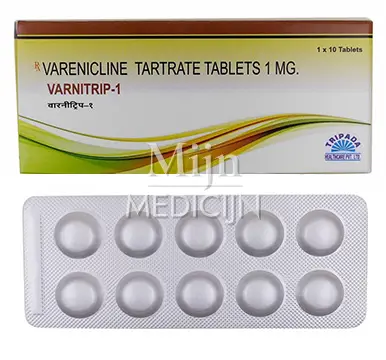
The types of medications typically found in this category fall into a few broad groups. Nicotine replacement products such as patches, gum, and lozenges supply controlled doses of nicotine without tobacco smoke. Non-nicotine prescription options act on the brain to blunt cravings or alter the reward response; examples include varenicline and bupropion. Well-known names associated with these medicines are varenicline (marketed in some countries under names like Champix) and bupropion formulations often seen as Wellbutrin, Wellbutrin SR, or Zyban.
General safety considerations relate to side-effect profiles, interactions with other medicines, and suitability for specific populations. Common side effects vary by product and can include nausea, sleep changes, vivid dreams, dry mouth, or local irritation from patches and gum. Certain prescription agents carry warnings for particular risks in people with relevant medical histories; seizure risk, psychiatric effects, and cardiovascular considerations have been described in product information. Pregnant or breastfeeding people, and those with complex medical conditions, are typically managed differently because of known and potential risks.
When choosing a smoking cessation product, users commonly weigh factors such as effectiveness, expected side effects, route of administration, convenience, whether a prescription is required, and compatibility with other medications. Some people prefer patches for steady nicotine delivery, others choose gum or lozenges for on-demand craving relief, and some opt for prescription treatments when previous attempts with nicotine replacement were unsuccessful. Availability of behavioral support or counseling is also an important consideration for many.
Product selection and duration of use tend to be individualized, and pharmacotherapies are often one component of a broader quit plan that includes behavioral strategies and follow-up. Packaged information and regulatory labeling provide details about approved uses and safety considerations. Healthcare professionals typically oversee prescription treatments and can provide information about how different options compare in clinical studies and real-world practice, so consumers can match a therapy’s characteristics to their personal needs and circumstances.