📞  — free, 24/7
— free, 24/7
| Package | Price per Dose | Price | |
|---|---|---|---|
| 360 pills | €0,85 |
€378,33
€302,66
Free shipping
|
|
| 270 pills | €0,97 |
€327,25
€261,80
Free shipping
|
|
| 180 pills | €1,12 |
€251,58
€201,27
Free shipping
|
|
| 120 pills | €1,26 |
€189,15
€151,32
|
|
| 90 pills | €1,42 |
€160,78
€128,62
|
|
| 60 pills | €1,62 |
€121,05
€96,84
|
|
| 30 pills | €1,86 |
€69,98
€55,98
|
|
| 360 pills | €1,26 |
€567,50
€454,00
Free shipping
|
|
| 270 pills | €1,42 |
€480,48
€384,39
Free shipping
|
|
| 180 pills | €1,63 |
€368,87
€295,10
Free shipping
|
|
| 120 pills | €1,88 |
€281,85
€225,48
Free shipping
|
|
| 90 pills | €2,07 |
€232,68
€186,15
Free shipping
|
|
| 60 pills | €2,32 |
€174,02
€139,22
|
|
| 30 pills | €2,62 |
€98,35
€78,68
|
|
| 270 pills | €1,68 |
€567,50
€454,00
Free shipping
|
|
| 180 pills | €1,94 |
€435,08
€348,06
Free shipping
|
|
| 120 pills | €2,16 |
€325,36
€260,29
Free shipping
|
|
| 90 pills | €2,45 |
€276,17
€220,94
Free shipping
|
|
| 60 pills | €2,72 |
€204,29
€163,43
|
|
| 30 pills | €3,07 |
€115,38
€92,30
|
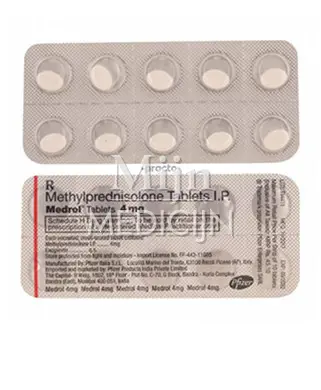
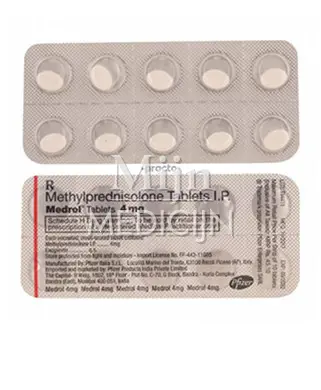
Methylprednisolone is a synthetic glucocorticoid of the corticosteroid class. It exerts anti-inflammatory and immunosuppressive effects via binding to intracellular glucocorticoid receptors and modulating gene transcription, leading to decreased production of pro-inflammatory mediators and suppression of immune responses. Clinically, it is employed for short- to intermediate-term control of inflammatory and autoimmune disorders and as adjunctive therapy in allergic reactions and organ transplantation settings.
Pharmacologically, the drug is active in multiple formulations, including oral tablets and injectable preparations for systemic use, as well as injectables for local therapy. Onset and duration depend on the route, dose, and the patient’s metabolic status; systemic exposure necessitates vigilance for metabolic, endocrine, and infectious complications during treatment, with dose adjustments guided by clinical response and risk factors.
Methylprednisolone is indicated for a broad spectrum of inflammatory and immunologically mediated diseases. Common indications include acute severe inflammatory states such as asthma or COPD exacerbations, anaphylactic reactions requiring adjunctive anti-inflammatory therapy, and various dermatologic, rheumatologic, and autoimmune disorders (eg, eczema, psoriasis, rheumatoid arthritis, systemic lupus erythematosus, vasculitis).
In addition, it serves as part of adrenal axis replacement strategies in select contexts and as induction or maintenance immunosuppression in organ transplantation protocols. Local or regional administration is employed for musculoskeletal injuries, bursitis, tendinopathies, and ocular inflammatory conditions where systemic exposure is undesired or minimized. The choice of route and duration should align with disease activity, risk of adverse events, and patient-specific factors.
Therapeutic regimens range from short courses to tapering schedules after sustained therapy. In all cases, clinicians balance the anti-inflammatory benefit against potential endocrinologic, metabolic, and infectious risks, adjusting dose and duration to achieve symptom control with the lowest effective exposure.
Absolute contraindications include systemic fungal infections and known hypersensitivity to methylprednisolone or other corticosteroids. Caution is warranted with live attenuated vaccines during periods of systemic corticosteroid therapy due to the risk of disseminated infection and reduced vaccine efficacy.
Precautions are essential for patients with diabetes mellitus or glucose intolerance, hypertension or congestive heart failure, peptic ulcer disease, osteoporosis, or ocular disease (glaucoma, cataracts). Infections require careful assessment since corticosteroids may mask signs of infection and augment susceptibility. Psychiatric disorders (eg, mood instability, psychosis) may be exacerbated by corticosteroid therapy, particularly at higher doses or with prolonged use.
Other at-risk groups include the elderly and children, where growth retardation and HPA-axis suppression may occur with long-term therapy. Liver disease, renal impairment, or concomitant drug therapies necessitate dose modifications and closer monitoring. Corticosteroids should be tapered rather than abruptly discontinued after extended use to minimize withdrawal phenomena and adrenal insufficiency.
Very common (≥10%): increased appetite and weight gain, fluid retention with edema, insomnia or sleep disturbance, mood changes, hyperglycemia or glucose intolerance, and elevated blood pressure. Patients with diabetes or prediabetes may observe marked fluctuations in glycemic control during systemic therapy.
Common (1–10%): dyspepsia or abdominal discomfort, gastritis, gastrointestinal bleeding risk with concomitant NSAID use, menstrual irregularities, acneiform eruptions, thinning of skin and easy bruising, delayed wound healing, and a higher susceptibility to infections or reactivation of latent infections.
Uncommon (0.1–1%): proximal myopathy, myasthenia-like weakness, cataracts or glaucoma with long-term use, osteoporosis with susceptibility to vertebral or non-vertebral fractures, edema-related or congestive heart failure–related symptoms, and hyperlipidemia. Hypokalemia may occur with concurrent diuretic therapy or electrolyte disturbances.
Rare (<0.1%): steroid-induced psychosis or severe mood disorders requiring intervention, avascular necrosis (particularly of the femoral head with prolonged exposure), Cushingoid features in prolonged regimens, growth retardation in pediatric patients, and anaphylactoid reactions to a corticosteroid preparation. Any new or worsening symptoms should be evaluated promptly to determine causality and management.
CYP3A4 inhibitors (eg, azole antifungals such as ketoconazole, macrolide antibiotics) can raise methylprednisolone levels and duration of action, intensifying systemic effects. Inducers (eg, rifampin, phenytoin) may reduce corticosteroid exposure and response. Dose adjustments and monitoring are often required when such drugs are co-administered.
Nonsteroidal anti-inflammatory drugs increase the risk of gastrointestinal ulceration and bleeding when used with corticosteroids. Antidiabetic agents frequently require dose adjustments due to steroid-induced hyperglycemia; patients with diabetes should monitor glucose closely during therapy. Vaccination responses may be blunted; live vaccines are generally contraindicated during systemic corticosteroid therapy and should be completed prior to initiation when feasible.
Potassium-wasting diuretics (eg, loop or thiazide diuretics) can potentiate hypokalemia and electrolyte imbalance. NSAIDs, anticoagulants, and antiplatelet agents may have additive effects on bleeding risk or GI irritation. Corticosteroids can alter the pharmacokinetics of various drugs through effects on hepatic enzymes or protein binding; consult interaction references for specific combinations. When possible, administer the lowest effective dose for the shortest feasible duration and monitor for adverse synergy with other medications.
14–21 days. Free from €182,34 .
5–9 days. €27,35
−10% when paying with cryptocurrency.
−10% on all repeat orders.
All orders are packed in neutral, unbranded boxes with no product name on the outside.