📞  — free, 24/7
 — free, 24/7Antibacterial products for preventing and treating bacterial infections: topical creams, ointments and wound antiseptics; oral and systemic antibiotics for prescribed use; sanitizers and antibacterial soaps for skin hygiene. Suitable for infection control and wound care.
Antibacterial products for preventing and treating bacterial infections: topical creams, ointments and wound antiseptics; oral and systemic antibiotics for prescribed use; sanitizers and antibacterial soaps for skin hygiene. Suitable for infection control and wound care.
Antibacterial medicines are drugs designed to reduce, stop or kill bacteria that cause infections. They are distinct from antivirals and antifungals, which target viruses and fungi respectively, and are chosen according to the type of microorganism involved. Available in many chemical classes and formulations, these agents act by interfering with bacterial cell walls, protein synthesis, DNA replication or specific metabolic pathways, so their effects and uses differ from one product to another.
Common uses for antibacterials cover a wide range of infections affecting the respiratory tract, urinary system, skin and soft tissues, ears, sinuses, eyes and some gastrointestinal conditions. They are used for both acute problems such as urinary tract infections or bacterial conjunctivitis and for more persistent or complicated infections that may require longer or systemic therapy. In many situations the route of administration — oral, topical, ophthalmic or intravenous — is selected to match the site and severity of the infection.
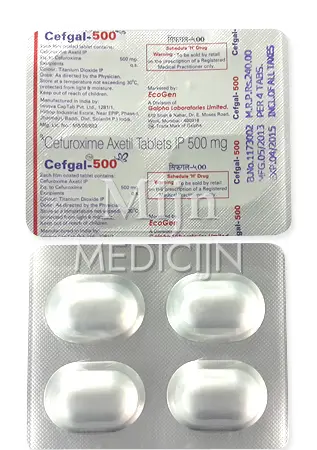
Different types of antibacterial medicines are represented by a number of well-known options. Penicillins and related aminopenicillins are exemplified by amoxicillin (often sold under names like Trimox), while cephalosporins include agents such as cefuroxime (Ceftin) and cefixime (Suprax). Sulfonamide combinations such as Bactrim contain trimethoprim plus a sulfa drug and are used for specific urinary and respiratory infections. Tetracyclines like doxycycline (Vibramycin) are broad-spectrum oral agents, nitrofurans such as nitrofurantoin (Furadantin) are commonly used for lower urinary tract infections, and nitroimidazoles such as tinidazole treat certain anaerobic infections. Fluoroquinolone-based eye drops like Ciloxan and Ocuflox and combination ophthalmic products such as Tobradex are examples of topical antibacterials for eye conditions. Macrolide-class products such as roxithromycin (Rulide) and classical oral formulations reflect further diversity in the category.
General safety considerations vary by drug class and formulation. Common side effects may include gastrointestinal upset or local irritation with topical use, while some medicines are associated with photosensitivity or specific organ-related effects. Allergic reactions to beta-lactam antibiotics are well recognized, and some systemic agents have interaction profiles or age- and pregnancy-related cautions. Antibacterial resistance is a widely acknowledged public health concern that influences prescribing choices, so patterns of local resistance and the narrowness or breadth of an antibiotic’s spectrum are important factors in clinical decision-making.
When people compare or select antibacterial products they often consider whether a medicine is prescription-only or available over the counter in topical forms, the route of administration that best fits the infection, the likely spectrum of bacterial activity, tolerability and known side-effect profiles. Practical concerns such as formulation preferences (tablet, suspension, cream, eye drop or injectable), dosing frequency and the availability of pediatric formulations can influence which product is appropriate for a given situation.
Formulation and pharmacology also affect everyday use: some antibiotics are formulated for topical application to reduce systemic exposure, while others are designed for systemic therapy with different schedules and durations. Certain agents may have known interactions with foods, supplements or other medicines that can alter absorption or effectiveness, and some require monitoring in specific patient groups. Labels and product information describe approved uses and contraindications, and regulatory status determines how each antibacterial can be obtained and used safely.