📞  — free, 24/7
 — free, 24/7Treatment and monitoring products for blood cholesterol control: prescription lipid-lowering drugs, over-the-counter supplements and plant sterols, home lipid test kits, and related aids to help monitor LDL/HDL levels and support cardiovascular health.
Treatment and monitoring products for blood cholesterol control: prescription lipid-lowering drugs, over-the-counter supplements and plant sterols, home lipid test kits, and related aids to help monitor LDL/HDL levels and support cardiovascular health.
Medications in the Cholesterol category are agents used to influence levels of blood lipids, most commonly to lower low-density lipoprotein (LDL) cholesterol and manage triglycerides. The overall purpose of these treatments is to reduce the long-term risk associated with elevated cholesterol, such as atherosclerosis and cardiovascular events. Different drugs act on distinct pathways involved in lipid production, absorption, or clearance, so the category covers a range of mechanisms rather than a single type of action.
Common circumstances for use include persistently elevated LDL cholesterol, high triglyceride levels that may raise the risk of pancreatitis, and situations where a reduction in cardiovascular risk is a treatment goal. Medications are selected based on the specific lipid abnormality, the presence of other health conditions, and whether the goal is primary prevention (reducing future risk) or secondary prevention (managing risk after a cardiovascular event). Lifestyle measures such as diet and physical activity are complementary to pharmacologic options but are separate considerations from the medicines themselves.
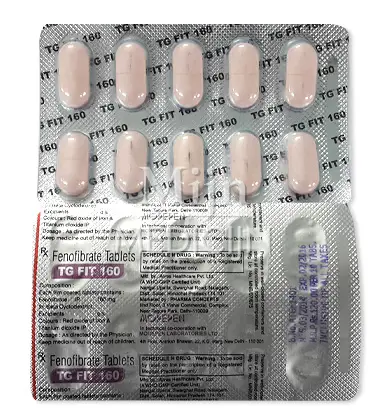
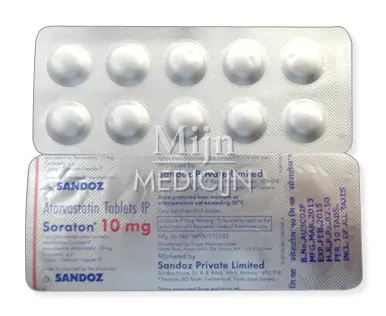
Statins are the most widely used class and work by reducing the liver’s cholesterol production; well-known examples are atorvastatin (commonly known by the trade name Lipitor), rosuvastatin (Crestor) and simvastatin (Zocor). Fibrates, such as gemfibrozil (Lopid) and fenofibrate (Tricor), are typically directed at lowering triglycerides. Ezetimibe (Zetia) reduces intestinal cholesterol absorption and is sometimes used alone or in combination with a statin. Other options that may appear in this category include bile acid sequestrants and newer injectable agents that target specific cholesterol-regulating proteins.
How these medicines are used varies by drug and patient factors. Many cholesterol-lowering drugs are taken once daily in oral form, while some newer agents require injections at longer intervals. Combination regimens pair agents with complementary mechanisms to achieve greater lipid changes than single agents alone. Blood tests that measure lipid panels are an established part of assessing how a chosen therapy is affecting cholesterol values, and dosing may be adjusted over time to reach treatment goals.
Safety considerations cover a range of potential effects and interactions. Some medicines have been associated with muscle symptoms or increases in liver enzymes, and others can cause gastrointestinal symptoms or changes in glucose metabolism. Interactions with other medications can alter effectiveness or increase risk, and certain agents are not recommended during pregnancy. The balance between potential benefits and risks is a key part of selecting and continuing any cholesterol-lowering therapy.
When people compare options within this category they commonly consider how much a medicine lowers LDL or triglycerides, the likelihood of side effects, convenience of the dosing schedule, and whether the product is available in generic form. Other practical considerations include how a medicine fits with existing prescriptions and whether laboratory monitoring is required. Availability in different formulations and the overall evidence for cardiovascular benefit may also influence preferences when choosing among therapies.