📞  — free, 24/7
 — free, 24/7Products for treating and managing gout: medications for acute flare relief (colchicine, NSAIDs, corticosteroids), urate‑lowering therapies for long‑term control, pain and anti‑inflammatory options, supplements and supportive aids to help reduce attacks and manage symptoms.
Products for treating and managing gout: medications for acute flare relief (colchicine, NSAIDs, corticosteroids), urate‑lowering therapies for long‑term control, pain and anti‑inflammatory options, supplements and supportive aids to help reduce attacks and manage symptoms.
Gout is a form of inflammatory arthritis caused by deposits of uric acid crystals in joints and surrounding tissues. The medications in this category are focused on relieving acute attacks, reducing inflammation, lowering uric acid levels over time, and preventing future flares. They are part of a broader approach to managing recurrent gout and may be used alongside lifestyle measures. This category description explains the types of drugs commonly prescribed, how they are typically used, and what people usually consider when selecting therapy.
Many medicines here are used for immediate symptom control during an acute gout attack. Anti‑inflammatory agents such as colchicine reduce pain and swelling during flares and are often given in specific dosing patterns for short periods. Nonsteroidal anti‑inflammatory drugs (NSAIDs) are also commonly used in practice to control pain and inflammation, while corticosteroids may be prescribed when other options are not appropriate. The goal during an acute episode is to minimize inflammation and restore joint function as quickly as possible.
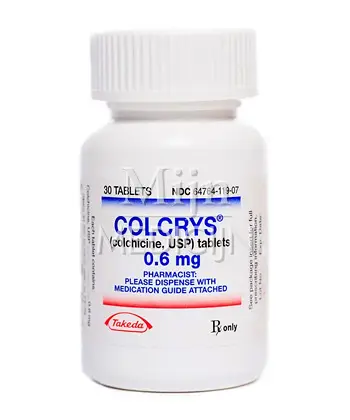
Other treatments aim to lower uric acid levels to prevent future attacks and to dissolve existing urate crystals over time. Xanthine oxidase inhibitors reduce production of uric acid; a widely used example is allopurinol (often known by the brand name Zyloprim). Uricosuric agents increase the kidneys’ excretion of uric acid; probenecid (marketed as Benemid) is a representative of this class. Colchicine (often known by the brand name Colcrys) is included here both for acute flare management and, at different dosing regimens, for intercritical prophylaxis in some patients. Choice of agent depends on factors such as underlying kidney function, comorbid conditions, and the pattern of gout.
Safety considerations and monitoring are important for medicines used in gout. Some drugs require dose adjustments for reduced kidney function or interaction checks with other medications a person is taking. Colchicine can cause gastrointestinal symptoms and, at higher doses or in combination with certain other drugs, serious toxicity. Allopurinol may rarely cause hypersensitivity reactions and is usually started at a low dose with gradual increases under medical supervision. Regular laboratory testing, such as kidney function and serum uric acid levels, is commonly part of ongoing management to ensure efficacy and detect side effects early.
When people look for gout medicines they commonly consider how quickly a drug relieves pain, whether it treats acute attacks or prevents future flares, the route and frequency of dosing, potential side effects, and how other health conditions might influence safety. Another frequent consideration is whether a medication requires a prescription, as many effective gout treatments are prescription-only. Clear information about typical uses, common adverse effects, and monitoring needs helps consumers discuss options with their healthcare team and make informed decisions aligned with their health circumstances.