📞  — free, 24/7
 — free, 24/7Medications used to treat and prevent fungal infections of the skin, nails, scalp and mucous membranes. Offered as topical creams, ointments, powders, sprays, medicated shampoos and systemic tablets or capsules for athlete’s foot, ringworm, jock itch, yeast and nail fungal infections.
Medications used to treat and prevent fungal infections of the skin, nails, scalp and mucous membranes. Offered as topical creams, ointments, powders, sprays, medicated shampoos and systemic tablets or capsules for athlete’s foot, ringworm, jock itch, yeast and nail fungal infections.
Antifungal medicines are treatments designed to prevent or eliminate infections caused by fungi. Fungi include a wide range of organisms that can infect skin, nails, mucous membranes and internal organs. Unlike antibacterial drugs, antifungals target structures or processes specific to fungal cells, such as cell membranes or cell division, which helps stop fungal growth or kill the organism. Available forms range from creams and ointments for surface infections to oral tablets and intravenous preparations for deeper or systemic infections.
Common use cases cover a spectrum of conditions. Topical formulations are often used for athlete’s foot, ringworm, jock itch and yeast infections of the skin. Antifungal shampoos address scalp conditions like dandruff or fungal scalp infections. Oral medications are typically used for persistent or widespread skin infections, nail fungus, vaginal yeast infections and systemic infections that affect internal organs. The choice of preparation usually depends on the location of the infection, its severity and how accessible the affected tissue is to topical treatment.
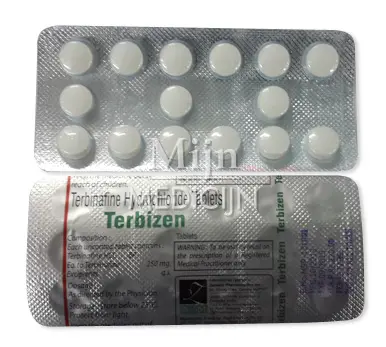
Several pharmacological classes are represented within this category. Azoles (such as fluconazole and ketoconazole derivatives) act broadly against many yeast and mould species; allylamines (for example terbinafine) are commonly used for dermatophyte infections like nail fungus; and older agents like griseofulvin are still used for certain persistent scalp and skin infections. Some products combine an antifungal with another ingredient to address inflammation or enhance symptom relief. Concrete examples encountered in pharmacies range from single-ingredient topical creams and shampoos to systemic oral agents and specialized formulations for nails or scalp.
How these medicines are used varies by formulation and condition. Creams, gels and sprays are applied directly to affected areas for local effect and generally are used for a course of days to weeks. Shampoos are applied to the scalp and rinsed; some are intended for short, repeated use while others are part of ongoing maintenance. Oral tablets or capsules are prescribed for longer periods when treating nail infections, recurrent infections, or those that have spread beyond the surface. Intravenous antifungals are reserved for severe or invasive infections and are managed in hospital settings.
General safety considerations are relevant across the category. Topical products tend to have fewer systemic effects but can still cause local irritation or allergic reactions. Systemic antifungals can interact with other medicines, affect liver enzymes or cause side effects such as gastrointestinal upset or changes in taste, and some require laboratory monitoring when used long term. Because potency, spectrum of activity and safety profiles differ widely between agents, certain compounds are available over the counter while others are prescription-only.
When selecting an antifungal product, people typically assess the type and location of the infection, the formulation that fits their lifestyle (cream, tablet, spray, or shampoo), the expected duration of treatment and whether the product targets the likely causative organism. Additional considerations often include tolerability, known side-effect profiles and whether a medicine is available without a prescription. Familiar names encountered in general consumer contexts include fluconazole products, griseofulvin preparations, terbinafine options, topical combinations for inflammation and antifungal shampoos or ketoconazole-based treatments, as well as systemic agents used for more complex infections.