📞  — free, 24/7
 — free, 24/7Medications that replace, supplement, or regulate hormones in the body: thyroid preparations, sex hormones (estrogen, progesterone, testosterone), contraceptive hormones, adrenal and growth therapies, and injectable peptides such as insulin. Available as oral, topical, or injectable formulations.
Medications that replace, supplement, or regulate hormones in the body: thyroid preparations, sex hormones (estrogen, progesterone, testosterone), contraceptive hormones, adrenal and growth therapies, and injectable peptides such as insulin. Available as oral, topical, or injectable formulations.
Hormones are chemical messengers that help regulate many of the body's functions, and medications in this category are synthetic or naturally derived compounds designed to replace, supplement or modify hormonal activity. These products cover a broad range of agents used to correct deficiencies, suppress excess production, or mimic normal hormonal signals. On an online pharmacy site, the "Hormones" category typically brings together treatments that act on the thyroid, adrenal system, sex hormones, calcium and bone metabolism, and other endocrine pathways.
Common use cases for hormone medicines include restoring balance when an organ is underactive, reducing inflammation and immune responses, managing chronic conditions that affect hormone production, and supporting specific physiologic processes such as calcium absorption or neuromuscular function. For example, thyroid hormone preparations are used when the thyroid gland is not producing enough hormone, corticosteroids can be used for their anti-inflammatory and immunosuppressive effects, and mineralocorticoids are used to help maintain salt and fluid balance in certain disorders.
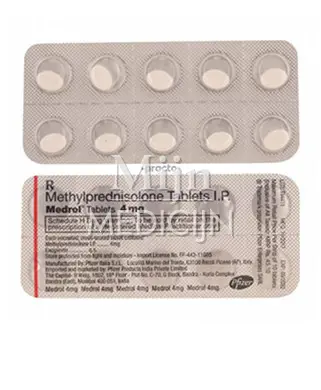
Typical medicines found in this group reflect the variety of hormonal actions. Thyroid preparations such as levothyroxine products (often known under names like Synthroid or Levothroid) and liothyronine (Cytomel) represent thyroid replacement therapy. Glucocorticoids and related agents, for example prednisolone and Medrol (methylprednisolone), are commonly prescribed for inflammatory and autoimmune conditions. Fludrocortisone (Florinef) is a mineralocorticoid used for salt-retaining effects, while dopamine agonists like Dostinex (cabergoline) can affect pituitary hormone secretion. Other agents associated with hormonal management include vitamin D analogs such as alfacip and medications that influence neuromuscular function, such as Mestinon (pyridostigmine).
Safety and monitoring are important considerations with hormone medicines. Many of these agents have systemic effects and may require periodic laboratory tests, dose adjustments, or gradual changes to avoid withdrawal or imbalance. Side effects vary by drug class but can include alterations in weight, mood, blood pressure, blood sugar, bone density, and susceptibility to infection, among others. Interactions with other medicines and the presence of certain health conditions can change how these agents are used and tolerated, so attention to prescribing information and regulatory labeling is part of safe use.
When people choose a hormone medicine they often consider the active ingredient, the specific indication, formulation (tablet, capsule, injection), dosing frequency, and whether a product is a brand-name or generic version. Additional practical considerations include instructions for administration (for example, timing relative to food), the need for accompanying laboratory monitoring, and known side effect profiles. Availability as a prescription-only medicine is typical for many hormonal therapies, and descriptions that list active ingredients, strengths and common formulations help users identify suitable options in a pharmacy setting.
Product listings in a hormone category commonly provide detailed descriptions of the active ingredient, intended use, typical dosage forms, and safety information drawn from official prescribing information and regulatory sources. Filters and search options that sort by indication, active substance, form, and strength can help users narrow choices, while clear labeling of prescription status and patient information leaflets supports informed selection. Accurate, neutral product information supports safe and appropriate use while respecting the role of healthcare professionals in diagnosis and treatment decisions.