📞  — free, 24/7
 — free, 24/7Medications and supplies for managing arthritis pain and inflammation, including oral and topical analgesics, NSAIDs, disease‑modifying antirheumatic drugs, joint supplements, braces and mobility aids to reduce stiffness, protect joints and support daily function.
Medications and supplies for managing arthritis pain and inflammation, including oral and topical analgesics, NSAIDs, disease‑modifying antirheumatic drugs, joint supplements, braces and mobility aids to reduce stiffness, protect joints and support daily function.
Arthritis refers to a range of conditions that affect the joints and surrounding tissues, and the medicines grouped under this category are those most commonly used to relieve joint pain, reduce inflammation, and manage the underlying processes that cause joint damage. Medications span short-term options for symptom control as well as long-term therapies aimed at slowing disease progression or preventing recurrent attacks, so the selection reflects different goals such as pain relief, inflammation suppression and disease modification.
Different types of arthritis and related problems create different use cases. For example, osteoarthritis often involves symptom control for chronic wear-and-tear pain; rheumatoid arthritis and other inflammatory arthritides typically require drugs that modify immune activity; gout involves both immediate treatment of painful flares and longer-term agents to control uric acid levels. Some products are intended for intermittent use during flares, while others are taken continuously as part of a preventive or maintenance plan.
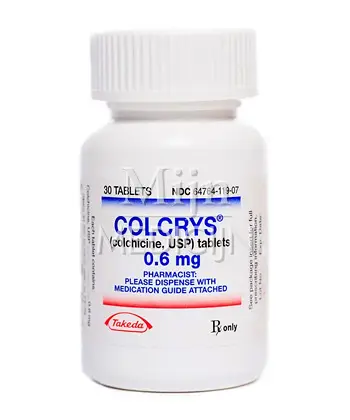
Medications in this area fall into several broad groups. Nonsteroidal anti-inflammatory drugs (NSAIDs) such as ibuprofen (commonly known under names like Motrin) or naproxen (Naprosyn, Anaprox) are widely used for pain and inflammation; others in the class include piroxicam (Feldene), indomethacin (Indocin) and meloxicam (Mobic). Colchicine (Colcrys) is a traditional choice for gout flares, and allopurinol (Zyloprim) is an established urate-lowering medicine for preventing recurrent gout attacks. There are also corticosteroids like dexamethasone (Dexone) for short-term control of inflammation, immunomodulators such as ciclosporin (Neoral) and newer targeted agents including baricitinib (Olumiant) for inflammatory forms of arthritis.
How these medicines are commonly used depends on the therapeutic aim. Analgesics and many NSAIDs are often used at the onset of pain to reduce discomfort and improve mobility; topical formulations are sometimes chosen to limit systemic exposure. Disease-modifying drugs and immunosuppressants tend to be prescribed with a longer-term intent and require regular assessment of benefits versus risks. Urate-lowering therapies for gout are generally taken continuously once initiated to maintain lower serum uric acid levels rather than to abort an acute flare.
Safety considerations are an important part of understanding this category. NSAIDs can cause gastrointestinal upset, increased risk of bleeding and, in some people, cardiovascular or kidney-related effects. Corticosteroids may relieve inflammation quickly but are associated with a range of systemic side effects when used long term. Immunosuppressants and some targeted therapies can affect the immune system and require laboratory monitoring to track liver, kidney or blood-related changes. Drug interactions and pre-existing health conditions influence which options are appropriate and what monitoring is commonly recommended.
When comparing medicines for arthritis, people often weigh effectiveness for the specific type of joint problem, speed of onset, duration of action, route and convenience of administration, and the expected side-effect profile. Other practical factors include whether a medication is available as an oral pill, topical gel, or injectable; how frequently it must be taken; the need for blood tests or other monitoring; and whether generic alternatives are available. Clear information about indications, typical use patterns and safety considerations helps users make informed choices aligned with their condition and lifestyle.