📞  — free, 24/7
 — free, 24/7Products for preventing and treating thinning hair and balding, including topical treatments (minoxidil), prescription and OTC oral options, DHT-blocking shampoos and conditioners, serums, supplements, scalp treatments and tools aimed at stimulating follicles and improving hair density.
Products for preventing and treating thinning hair and balding, including topical treatments (minoxidil), prescription and OTC oral options, DHT-blocking shampoos and conditioners, serums, supplements, scalp treatments and tools aimed at stimulating follicles and improving hair density.
Medications in the Hair Loss category address reduced hair density, thinning, and patterned hair loss affecting the scalp. They are intended to slow hair fall, encourage regrowth in thinning areas, or stabilize existing hair rather than create an entirely new head of hair. The products commonly target biological pathways involved in hair cycling and scalp health, and are used by people experiencing hereditary hair loss, age-related thinning, or other non-scarring alopecias.
Common use cases include early intervention to preserve hair, attempts to regrow hairs in areas of thinning, and long-term maintenance once desired results are reached. Many users begin treatment when they notice widening part lines, receding hairlines, or diffuse thinning over the crown. Results typically develop gradually over months, and expectations are usually framed around slowing progression and improving density rather than immediate or complete reversal.
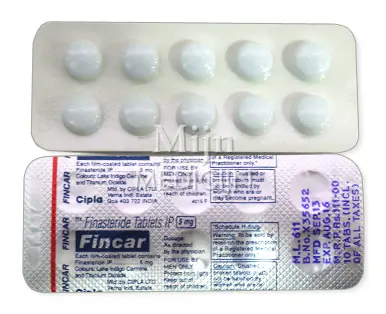
The category contains several classes of medications and formulations. Topical vasodilators such as minoxidil are available as solutions or foams and are widely used for both men and women; commercial names such as Rogaine are often associated with this active ingredient. Oral 5-alpha-reductase inhibitors include finasteride and dutasteride, sold under names like Propecia, Proscar, Finpecia, Fincar, Avodart and Dutas, which act on hormonal pathways involved in androgenetic hair loss. Some listings also feature alternative formulations or related agents marketed for scalp application.
How these medicines are commonly used depends on the formulation: topical products are applied to the scalp once or twice daily, while oral medications are taken as regular tablets. Many treatment plans combine topical and oral approaches to maximize outcomes. Because hair growth cycles are slow, a consistent routine over several months is typical before meaningful changes are assessed, and some form of ongoing use is often needed to maintain improvements once they appear.
Safety and tolerability vary by product class and individual. Topical agents may cause local scalp irritation, redness, or flaking in some users. Systemic agents that alter hormonal pathways can be associated with a wider range of effects and carry specific safety information in their prescribing information. Product leaflets and regulatory labels describe possible side effects, contraindications and monitoring considerations; reading these details and discussing questions with a healthcare professional is a standard part of deciding whether a particular medicine is suitable.
When choosing a hair loss medicine, users typically consider efficacy data, mode of administration (topical versus oral), side effect profile, whether a prescription is required, and whether to use a single product or combination therapy. Other practical factors include application convenience, treatment duration needed to see results, availability of generic options, and how a product fits with any existing medications or health conditions. Clear information about active ingredients and their expected timeline of effect helps consumers set realistic goals and manage treatment expectations.