📞  — free, 24/7
 — free, 24/7Daily and targeted skincare for face and body: cleansers, moisturizers, sunscreens, serums, acne and anti-aging treatments, spot care, and products for sensitive, dry or oily skin. Includes over-the-counter and dermatologist-recommended formulations and medicated topical options.
Daily and targeted skincare for face and body: cleansers, moisturizers, sunscreens, serums, acne and anti-aging treatments, spot care, and products for sensitive, dry or oily skin. Includes over-the-counter and dermatologist-recommended formulations and medicated topical options.
Skincare covers a broad range of prescription and over‑the‑counter medicines designed to treat conditions of the skin, hair and nails. The assortment ranges from topical creams and gels applied directly to the skin to oral agents used for more widespread or severe disease. Items in this category are formulated to address inflammation, infection, abnormal cell growth, pigmentation changes, hair growth or loss, and barrier repair. Both short‑term treatments for acute complaints and longer‑term therapies for chronic skin problems are represented among the products commonly listed under this heading.
Common use cases include acne and related inflammatory lesions, eczema and dermatitis, psoriasis, fungal and bacterial infections, infestations such as scabies or lice, warts and other benign growths, pigmentary disorders and cosmetic concerns such as unwanted facial hair. Some medications are aimed at repair and maintenance, for example moisturizers with active agents or prescription creams that correct texture and tone. Other items are used to treat actinic damage and precancerous lesions of the skin or to prepare patients for light‑based therapies.
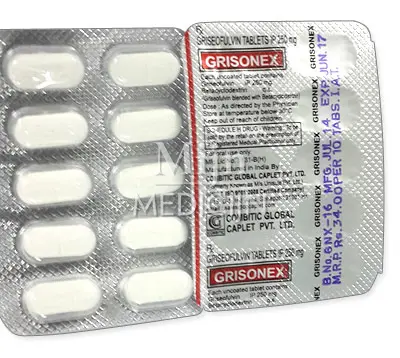
The category contains several classes of medicines. Retinoids and vitamin‑A derivatives such as tretinoin (often encountered as retin‑A formulations), adapalene (Differin) and tazarotene (Tazorac) are used for acne and photoaged skin. Anti‑inflammatory corticosteroids of varying potency, for example clobetasol (Temovate), mometasone (Elocon) and betamethasone (Betnovate), are used for inflammatory dermatoses. Antimicrobials include topical antibiotics and antiseptics as well as antifungals and oral agents such as griseofulvin (Fulvicin). Other active ingredients found here include azelaic acid (Azelex), dapsone gel (Aczone), 5‑fluorouracil topical (Efudex) for certain keratotic lesions, immunomodulators like tacrolimus (Protopic), antiparasitic agents such as permethrin (Acticin/Elimite) and products for hair reduction like eflornithine (Vaniqa).
Safety and regulatory status vary across products. Some topical therapies are available without a prescription while others are prescription‑only, and a subset of systemic medicines used for dermatologic conditions are subject to additional monitoring or restrictions. Known adverse effects can include local irritation, dryness or photosensitivity with retinoids, skin thinning and local immune suppression with potent topical corticosteroids, and systemic risks with oral agents. Antimicrobials can contribute to resistance if misused, and some treatments may interact with other medications or have contraindications for pregnancy. Product labelling, warnings and approved indications provide important details about safe use and regulatory requirements.
When comparing options within this category, consumers commonly look at the active ingredient and its strength, the formulation (cream, gel, ointment, lotion or solution) and the indicated skin type or condition. Other practical considerations include whether a treatment is over‑the‑counter or prescription‑only, the recommended duration of therapy given on the product label, potential side effect profiles, and any special storage or handling instructions. For some users the speed of onset and cosmetic properties such as greasiness or scent are also deciding factors.
Product listings are generally organized to help narrow choices by indication, ingredient class and formulation. Descriptions typically note the primary uses, typical dosing forms and common safety considerations so users can compare alternatives. Regulatory status, such as prescription requirement, is usually specified to clarify availability. For more detailed suitability and monitoring requirements associated with certain systemic or higher‑risk agents, official product information and national regulations set out the conditions under which those medicines are supplied and used.