📞  — free, 24/7
 — free, 24/7| Package | Price per Dose | Price | |
|---|---|---|---|
| 90 pills | €1,24 | €149,30 €111,98 | |
| 60 pills | €1,32 | €104,91 €78,68 |
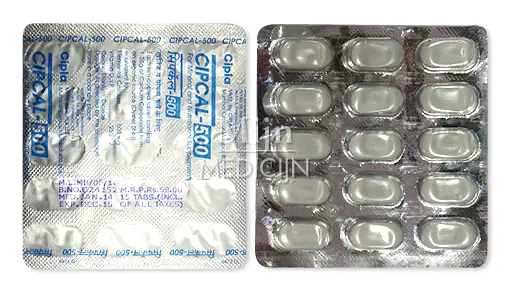
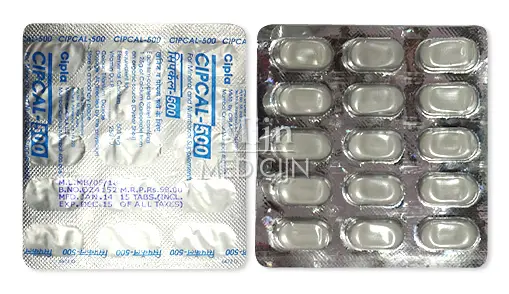
Calcium carbonate is a mineral supplement and an antacid used to prevent calcium deficiency and soothe heartburn. In our online pharmacy you’ll find tablets and chewables labeled with the amount of elemental calcium they deliver. Each tablet typically provides 200 to 600 mg of elemental calcium, and the product is chosen for steady daily use or occasional relief of stomach acid. The powdery form is less common, but available in some lines for those who need alternative dosing. Read the label to know the exact content and the recommended daily intake.
People take calcium carbonate to fill gaps in dietary calcium, support bone and teeth health, and help prevent osteoporosis in at‑risk adults. It also acts as a fast-acting antacid to relieve heartburn or sour stomach when taken as directed. While it helps maintain normal calcium levels, it does not treat underlying diseases. Combined with vitamin D as advised by a clinician, it supports absorption and bone formation over time.
Follow the product label or your doctor’s plan. For supplementation, take calcium carbonate with meals and a full glass of water. Do not exceed the recommended daily dose, and spread doses through the day if advised. If you take iron, thyroid medications, or certain antibiotics, space these products by at least two hours from calcium carbonate. For chewables, chew thoroughly before swallowing. Antacid use should be limited to short periods unless a clinician says otherwise.
Most users tolerate calcium carbonate well. Common effects are gas, bloating, and constipation. Signs of excess calcium include unusual thirst, frequent urination, and weakness; seek medical advice if these occur. Calcium carbonate can interfere with certain medicines such as tetracyclines, fluoroquinolones, iron supplements, and some thyroid drugs. Do not take at the same time as these medicines unless your clinician instructs otherwise. People with kidney stones or high calcium levels require special dosing or alternatives.
Adults with low dietary calcium, postmenopausal women, teenagers with growth needs, and anyone with limited dairy intake may benefit. It is not suitable for people with high calcium levels, kidney disease, or a history of stones without medical supervision. Pregnant or breastfeeding individuals should check with a healthcare provider to adjust the dose. If you have chronic illnesses or take other prescription medicines, discuss calcium carbonate use with a clinician.
We offer calcium carbonate in clear, labeled forms with dosage guidance and safety tips. Choose tablet or chewable formats, and store products as instructed. Each item lists ingredients, warnings, and contact options if you have questions. Ordering is simple, and delivery is discreet; pharmacists are available to answer questions about dosing and potential interactions.
Our products are manufactured under strict quality standards and tested for impurities. Each package shows a batch number and expiry date for traceability. Store calcium carbonate in a dry place away from heat. If a product looks damaged or its seal is broken, do not use it and contact customer service. Always keep medicines out of reach of children and follow dosing recommendations to avoid adverse effects.
14–21 days. Free from €182,34 .
5–9 days. €27,35
−10% when paying with cryptocurrency.
−10% on all repeat orders.
All orders are packed in neutral, unbranded boxes with no product name on the outside.