📞  — free, 24/7
 — free, 24/7Medications that increase urine output to remove excess fluid and salt, used to treat high blood pressure, heart failure, edema and certain kidney conditions. Common types are thiazide, loop and potassium‑sparing diuretics; monitoring of electrolytes is often required.
Medications that increase urine output to remove excess fluid and salt, used to treat high blood pressure, heart failure, edema and certain kidney conditions. Common types are thiazide, loop and potassium‑sparing diuretics; monitoring of electrolytes is often required.
Diuretics are a class of medicines that increase the amount of urine the body produces, helping remove excess salt and water from tissues and circulation. By affecting kidney function or the balance of certain salts, these drugs reduce fluid buildup and can change blood volume. In everyday language they are often called "water pills," but different agents work in distinct ways at various sites within the kidney to produce their effects.
Common uses for diuretics include management of fluid retention associated with conditions such as heart failure, cirrhosis of the liver, and certain kidney disorders, as well as treatment of high blood pressure. They may also be used in specific situations such as some cases of glaucoma or to help control swelling after injury. Diuretics are frequently combined with other types of medicines to achieve the desired therapeutic effect in long‑term conditions.
There are several main categories of diuretics based on how and where they act in the kidney. Loop diuretics (strongest short‑term effect) act in the loop of Henle and are often used for significant fluid overload. Thiazide diuretics act more distally and are commonly used for long‑term blood pressure control. Potassium‑sparing diuretics help retain potassium while promoting some fluid loss. Other subtypes, such as osmotic agents and carbonic anhydrase inhibitors, are used for particular indications and have distinctive mechanisms and profiles.
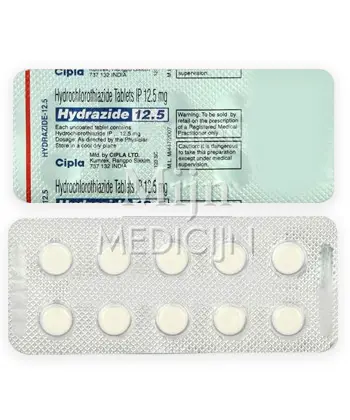
Typical medicines found in this category include established generics and familiar names. Examples of loop diuretics and related products are furosemide (often encountered under names such as Lasix) and torsemide (Demadex). Thiazide and thiazide‑like agents include hydrochlorothiazide (commonly seen as Microzide or Esidrix) and indapamide (Lozol). Potassium‑sparing options include spironolactone (Aldactone). These names represent commonly prescribed options, with differences in dosing, duration of action and side effect patterns between them.
General safety considerations relate to the way diuretics change fluid and electrolyte balance. Increased urination, shifts in sodium or potassium levels, and dehydration are commonly reported effects, and other possible effects include lightheadedness, changes in blood sugar or uric acid, and altered kidney function tests. Because diuretics can interact pharmacologically with a range of other medicines, attention to overall medication regimens and monitoring of laboratory values is a routine part of their use in clinical practice.
When people compare or choose diuretic medicines they typically look at the type of agent (potency and whether it spares potassium), how quickly it starts to work, how long its effect lasts, dosing frequency, formulation (tablet, liquid, injectable), known side effect profiles, and potential interactions with other drugs they take. Availability as a generic or under various names, and whether a particular product fits a patient’s overall treatment plan, are also common considerations.