📞  — free, 24/7
 — free, 24/7Products and remedies for urinary tract and bladder care, including UTI symptom relief and prevention, at-home urine test kits, targeted supplements (cranberry, D-mannose, probiotics), urinary incontinence supplies, topical or oral options for pain, burning or odor control.
Products and remedies for urinary tract and bladder care, including UTI symptom relief and prevention, at-home urine test kits, targeted supplements (cranberry, D-mannose, probiotics), urinary incontinence supplies, topical or oral options for pain, burning or odor control.
Urinary Health covers medicines that help manage conditions affecting the bladder, urethra and lower urinary tract. Products in this category are intended to reduce symptoms such as sudden urges to urinate, leakage, frequent urination, nighttime waking to pass urine, bladder spasms and difficulty emptying the bladder. The range includes medications directed at bladder muscle control, drugs that relax the prostate and urethra in men, and agents used for temporary spasm relief; familiar names you may encounter include detrol, ditropan, vesicare and flomax among others.
Many of these medicines are used to relieve bothersome symptoms rather than to cure an underlying cause. For example, antimuscarinic agents and other bladder relaxants are commonly taken to reduce urgency, frequency and urge incontinence. Alpha‑1 blockers are typically used when lower urinary tract symptoms are related to prostate enlargement and help improve urine flow. Some agents are employed briefly after surgery or catheter use to control spasms and discomfort, while others are intended for longer‑term symptom management.
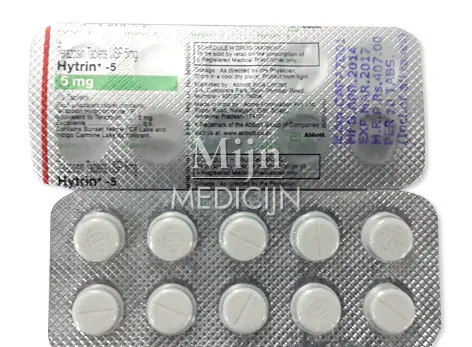
Medications in this category fall into several main groups. Antimuscarinics or anticholinergics — such as oxybutynin (often sold as Ditropan) and tolterodine (Detrol, Detrol LA) — act on bladder muscle receptors to decrease involuntary contractions. Newer bladder agents work through different pathways and may be offered as alternatives to reduce certain side effects; vesicare (solifenacin) is an example of a modern selective agent. Alpha‑1 adrenergic blockers like tamsulosin (Flomax), alfuzosin (Uroxatral) and terazosin (Hytrin) relax smooth muscle in the prostate and urethra to ease flow. Other items such as flavoxate (Urispas) are used for spasm control, and transdermal options such as Oxytrol deliver the active ingredient through the skin for a different side effect profile.
These products are available in multiple formulations to match different needs. Immediate‑release tablets provide flexible dosing, extended‑release (LA) formulations aim to maintain steadier blood levels and reduce dosing frequency, and patches or gels offer non‑oral administration routes. Some medicines are taken once daily while others require multiple doses; packaging and patient information leaflets explain dosing schedules and administration techniques. Prescription status varies by product, and product labeling details intended use, directions and storage instructions.
Safety considerations commonly mentioned for urinary medicines include expected side effects and how different classes differ in their profiles. Antimuscarinic drugs can cause dry mouth, constipation, blurred vision or drowsiness, and may add to an anticholinergic burden when combined with other drugs that have similar effects. Alpha blockers can be associated with dizziness or a drop in blood pressure, particularly when standing up. Interactions with other medications and certain health conditions are noted on product literature, and formal contraindications, precautions and warning sections outline when a given medicine should be avoided or used with caution.
When choosing a urinary health product, people typically weigh the specific symptoms they want to address, how quickly relief is needed and which side effects are tolerable. Formulation preferences — single‑daily tablets, extended‑release versions, or transdermal patches — influence convenience and adherence. Additional considerations include whether a medicine targets bladder overactivity versus prostate‑related obstruction, its known side‑effect profile, potential interactions with other treatments a person is taking, and whether a prescription is required. Product information and regulatory labeling provide the factual details that help users compare options and understand what to expect from each medication.