📞  — free, 24/7
 — free, 24/7Products for female reproductive and gynecological needs, including contraception, menstrual care, pregnancy and fertility support, menopause relief, urinary and vaginal health, sexual wellness, and vitamins tailored for women. Includes OTC remedies and personal care items.
Products for female reproductive and gynecological needs, including contraception, menstrual care, pregnancy and fertility support, menopause relief, urinary and vaginal health, sexual wellness, and vitamins tailored for women. Includes OTC remedies and personal care items.
Women's Health covers a broad range of medicines and health products used to manage conditions that primarily affect people assigned female at birth, as well as reproductive and hormonal aspects of health. The category spans short-term treatments for infections and pain to longer-term therapies for contraception, fertility support, menopausal symptoms and bone health. Items are selected for their relevance to gynecological, endocrine and urological concerns that commonly arise across different life stages.
Common use cases include preventing pregnancy through various contraceptive methods, treating menstrual pain and heavy bleeding, addressing fungal or bacterial genital infections, and supporting conception with ovulation-inducing medications. Other frequent situations are managing menopausal symptoms and protecting bone density after menopause, treating hormone-sensitive conditions, and addressing sexual health or bladder control issues that can affect quality of life.
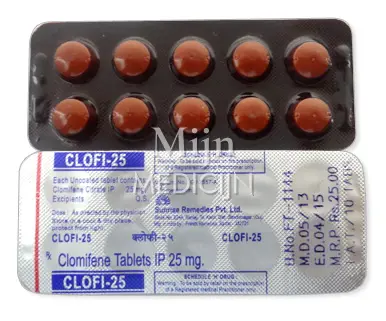
Types of medicines found here reflect the range of needs: combined and progestin-only oral contraceptives and emergency contraceptives; agents used to induce or regulate ovulation and fertility such as clomiphene; hormonal preparations for menopausal symptom relief and cycle regulation like estradiol and progestins; selective estrogen receptor modulators or aromatase inhibitors used in specific hormone-related conditions; treatments for heavy menstrual bleeding and menstrual pain; antifungals for yeast infections; and medications for osteoporosis and bladder overactivity. Examples of well-known or typical medicines you may encounter include combined birth control pills (for example formulations similar to Yasmin or Levlen), emergency levonorgestrel products (often referred to as "Plan B"), fertility medicines such as clomiphene (Clomid/Serophene), menopausal hormone therapies (like estradiol and progesterone preparations such as Premarin, Estrace, Prometrium or Provera), and bone-strengthening agents such as alendronate (Fosamax). Medicines aimed at sexual function and libido such as flibanserin (Addyi) are also referenced in this area.
General safety considerations are an important part of choosing and using these medicines. Many hormones and other agents have interactions with other drugs, medical conditions and lifestyle factors; some are contraindicated in pregnancy or require careful timing relative to conception. Side effects vary widely by drug class and individual, and some treatments require monitoring by a healthcare professional. Product information leaflets, regulatory guidance and professional sources provide the relevant safety data and regulatory status for each medicine.
When selecting a product people typically consider the intended effect, how the medicine is administered (pill, patch, injectable or topical), dosing schedule, possible side effects, and suitability for pregnancy or breastfeeding. Other common priorities are whether a product is a prescription-only medicine or available over the counter, the presence of generics, and whether monitoring or follow-up will be needed. Practical factors such as the stability of the medication, storage requirements and formulation preferences (for example combined versus progestin-only pills) also influence choice.
Availability and regulatory considerations influence what is offered in any given market, with some items requiring prescriptions and others accessible without one. Consumers often look for clear product information, appropriate regulatory approval, and options that match their health profile and lifestyle. Reliable product labeling and verified supply chains help ensure authenticity and quality, while independent sources and professional channels provide additional context on indications and safety without serving as a substitute for individualized clinical assessment.